LIOS Labs — Arts of Ecology Programme 2026
Stepping out of creating from the mind into becoming vessels of creation
As LIOS opens a new branch in Sicily, we host a summer school set inside the Alcantara River Park, a fluvial nature reserve at the foot of Etna. Two rounds of art masterclasses are designed to succeed each other: the first widens perception, the second gives it form. Together we will follow a proposition: that art is not made from ideas, but from the quality of attention we bring to the world.
Host & Artistic Director
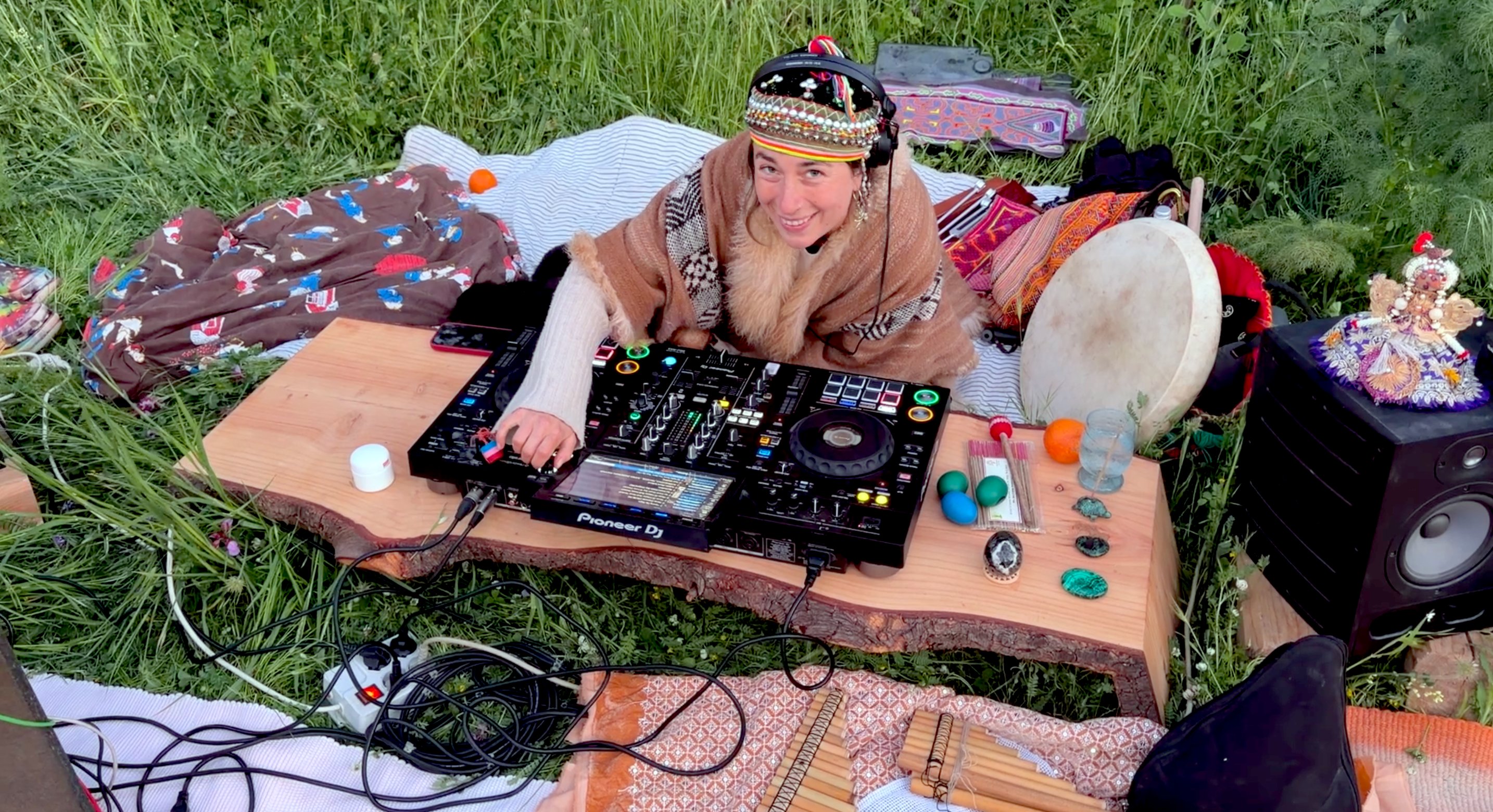
Jo Vávra is a cultural ecologist, curator, and researcher whose work bridges environmental humanities and contemporary art. Her practice explores ritual as relational technology, informed by animist perspectives, Indigenous knowledge systems, deep ecology and mysticism. She is a community weaver, activist and storyteller working for bioregional innovation on the island of Sicily.
Host & Co-Director
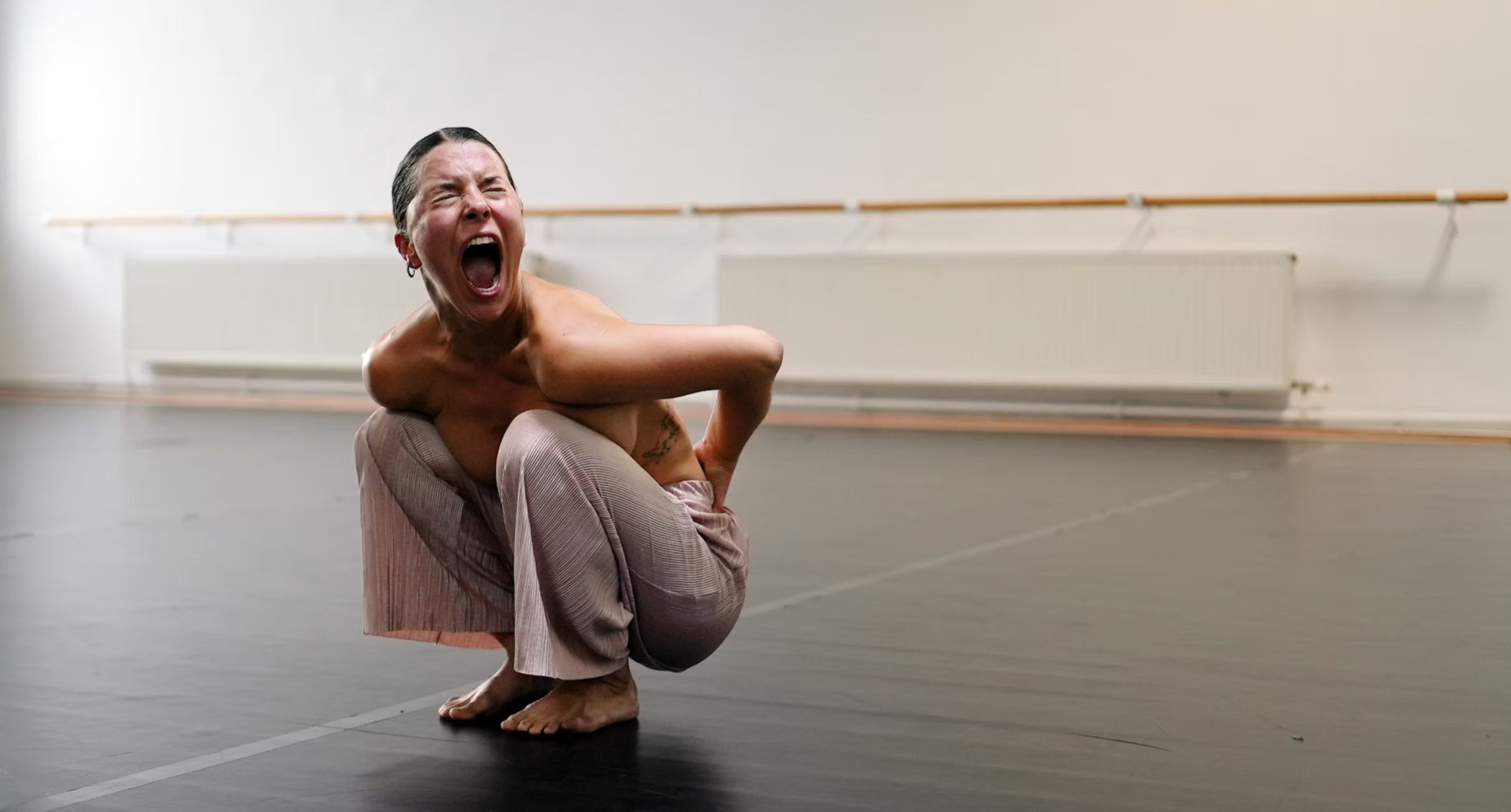
Jagna Nawrocka is a choreographer, performer, and visual artist. They craft choreographies of coexistence to re-member relations with weirdness and wildness. Their artistic research explores choreographic scores as archives of unseen. Working with physicality of body and voice, somatic poetry, and textile art, they chase gestures and symbols that hold a healing power.
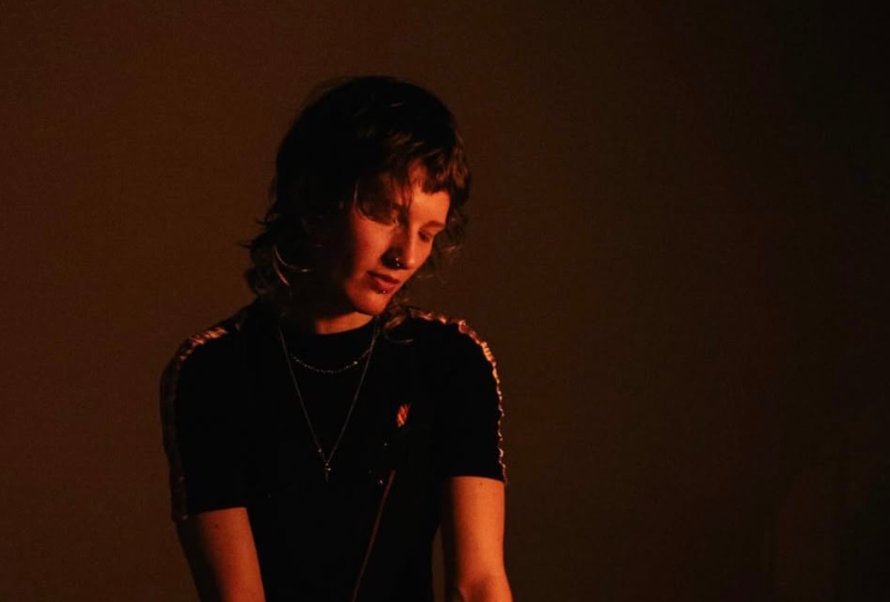
Touch · Round I
Laraja (Lara Ansell) is a multidisciplinary artist and bodyworker alchemising ritual performance and shadow capturing techniques through earthy-rooted technologies.
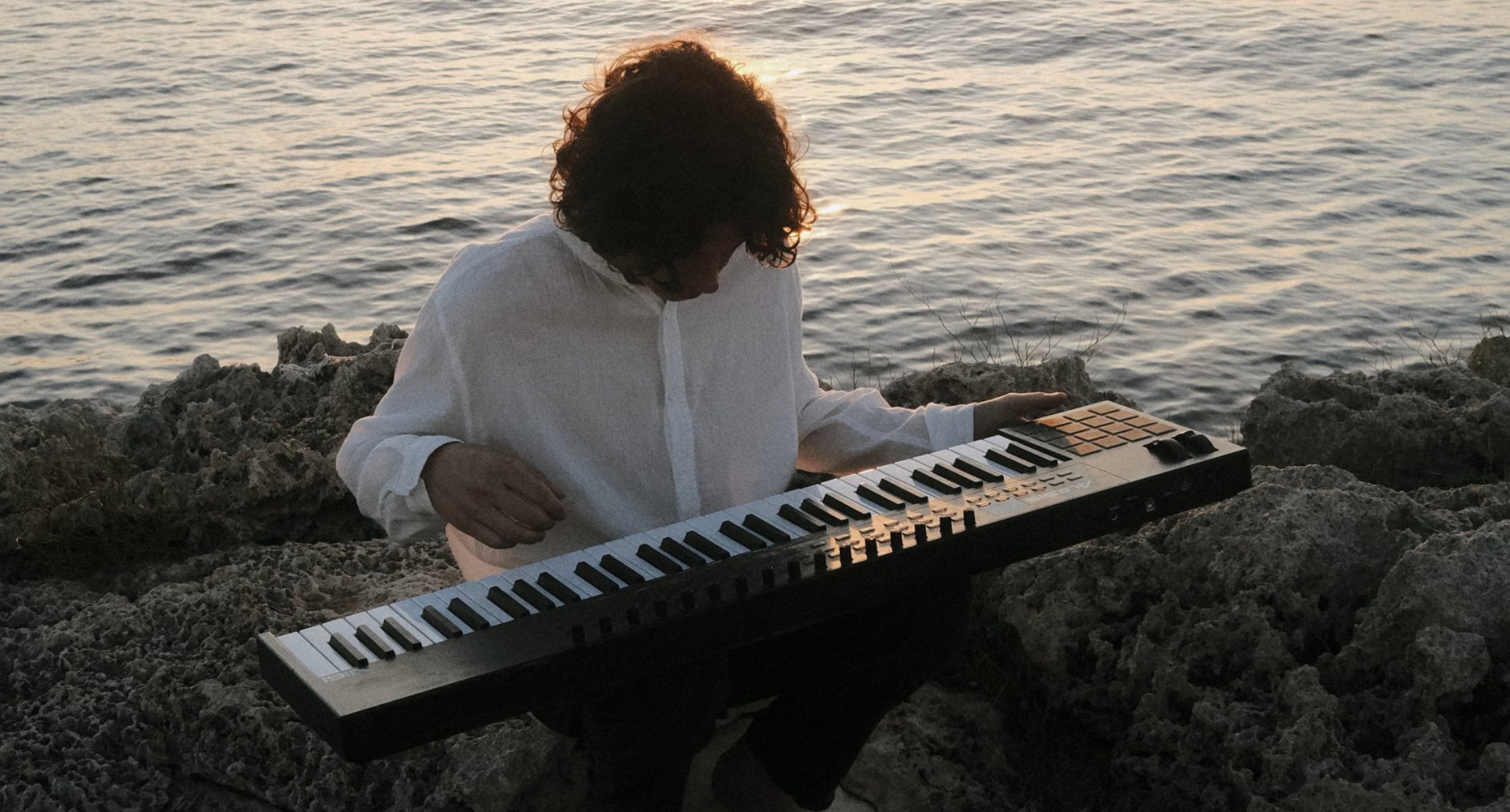
Hearing · Round I · Sound · Round II
Sam Pama is a contemporary composer and pianist working at the intersection of sound, memory, and poetic form. His work moves between intimacy and expansiveness, shaping sonic spaces that inspire healing and harmony.
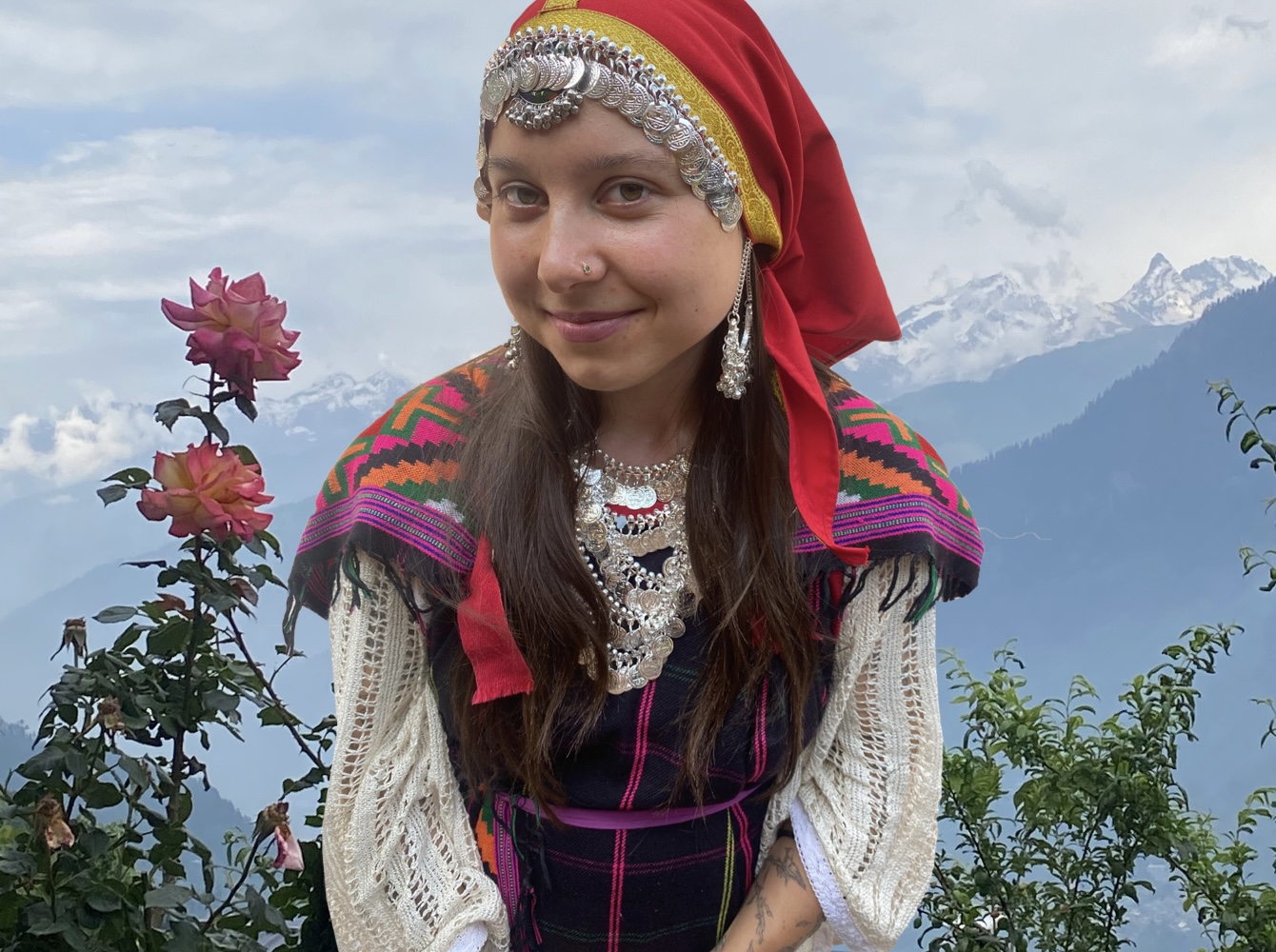
Smell · Round I · Matter · Round II
Planeta Eugenia is a nomadic, spiritual artist of Ukrainian descent. She is the founder of Atelier Planeta, bringing together sustainable fashion, visual art, and performance. Through visual art, she explores the connection between the material and the sacred.
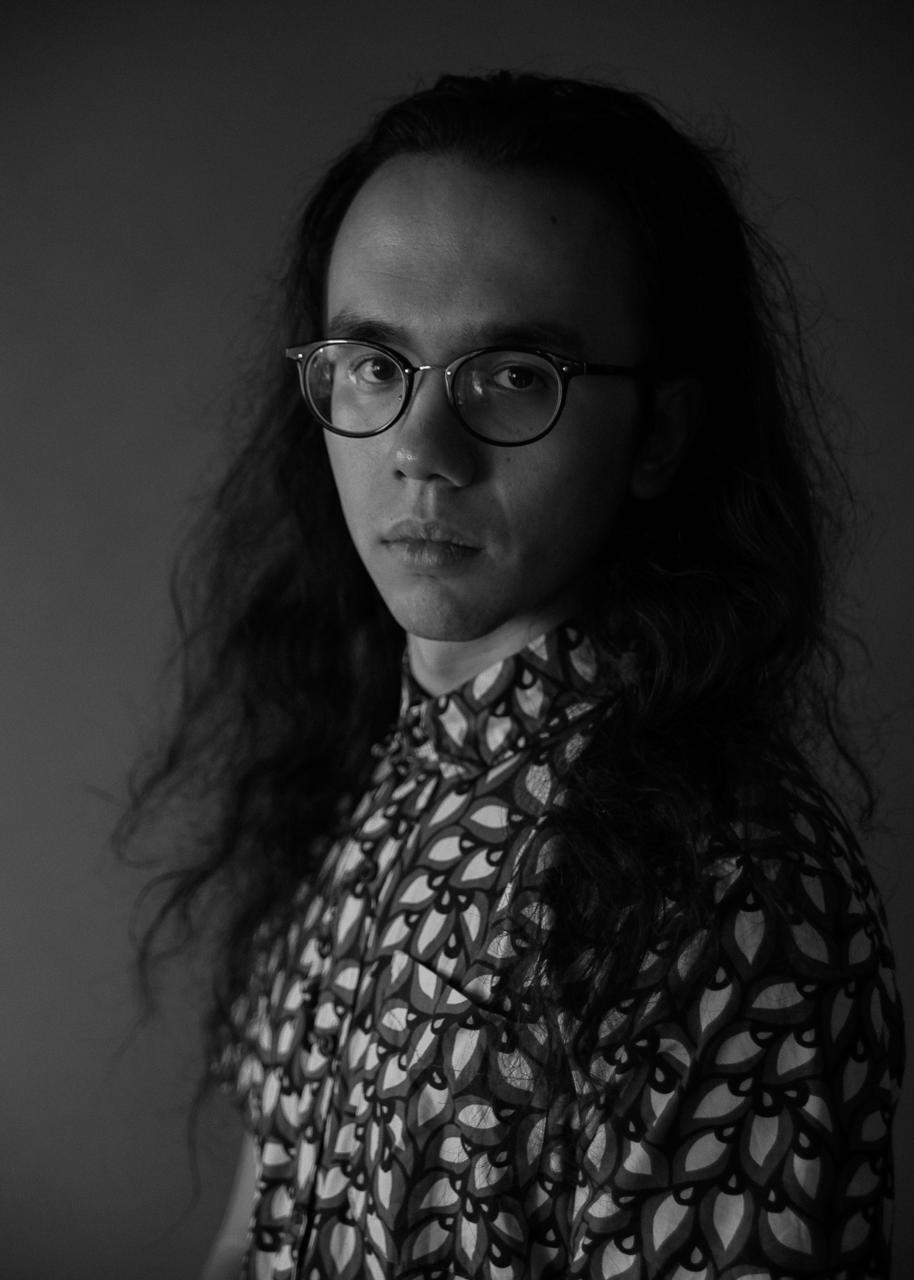
Taste, Round I
Shanhuān Manton is an ecological artist exploring methods of collective storytelling to realize worlds of mutual flourishing. Through experimental facilitation, narrative alchemy, and cinematic ritual, they bring beings of all species into meaningful collaborations. Their work includes co-founding the Centre for Applied Ecological Remediation and co-stewarding LIOS Labs School of Ecological Imagination. You will often find them gathering people in contemplative conversation around a roaming gongfu tea service, a practice cultivated for more than a decade.
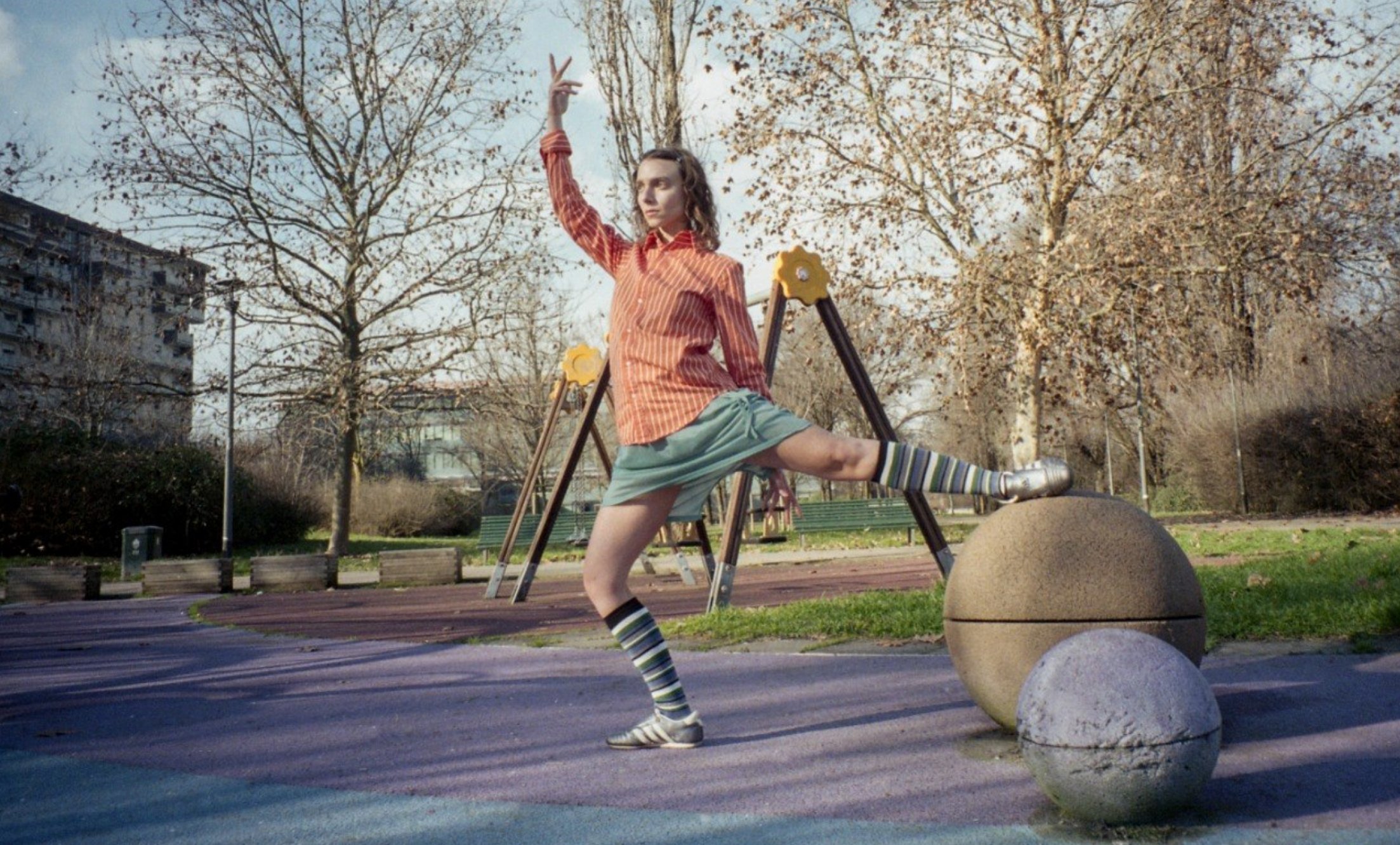
Body · Round II
Franca Petroni is an artist and performer based between Milan and Southern Italy. Her work focuses on the body as a political space, developing at the intersection of dance, movement research, and presence within site-specific contexts.
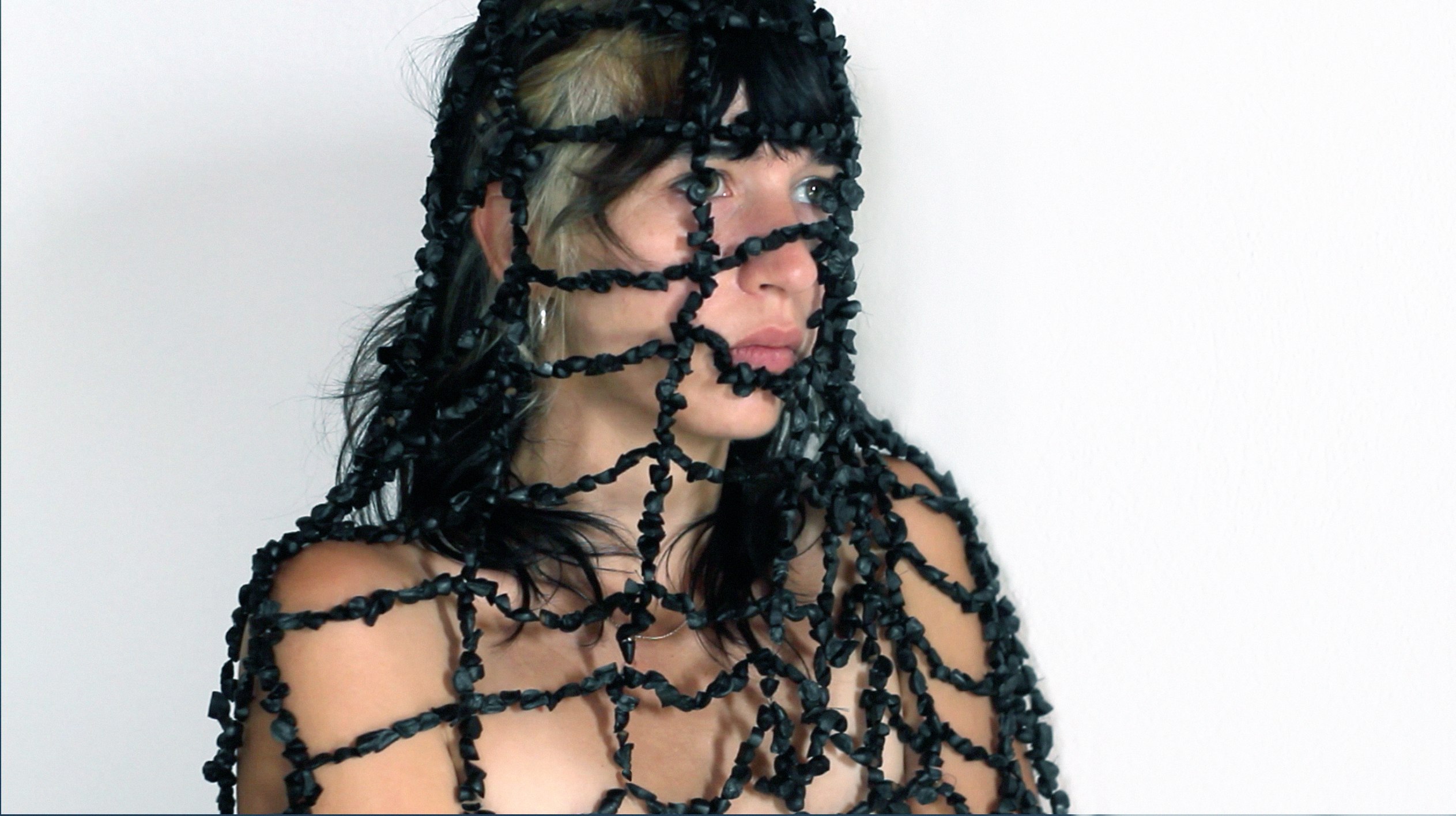
Matter · Round II
Inès Panizzi is a French artist working between contemporary art, craft, and folk practices. Using materials drawn from the land, she creates tactile installations shaped by processes of gathering, weaving, and assembling.
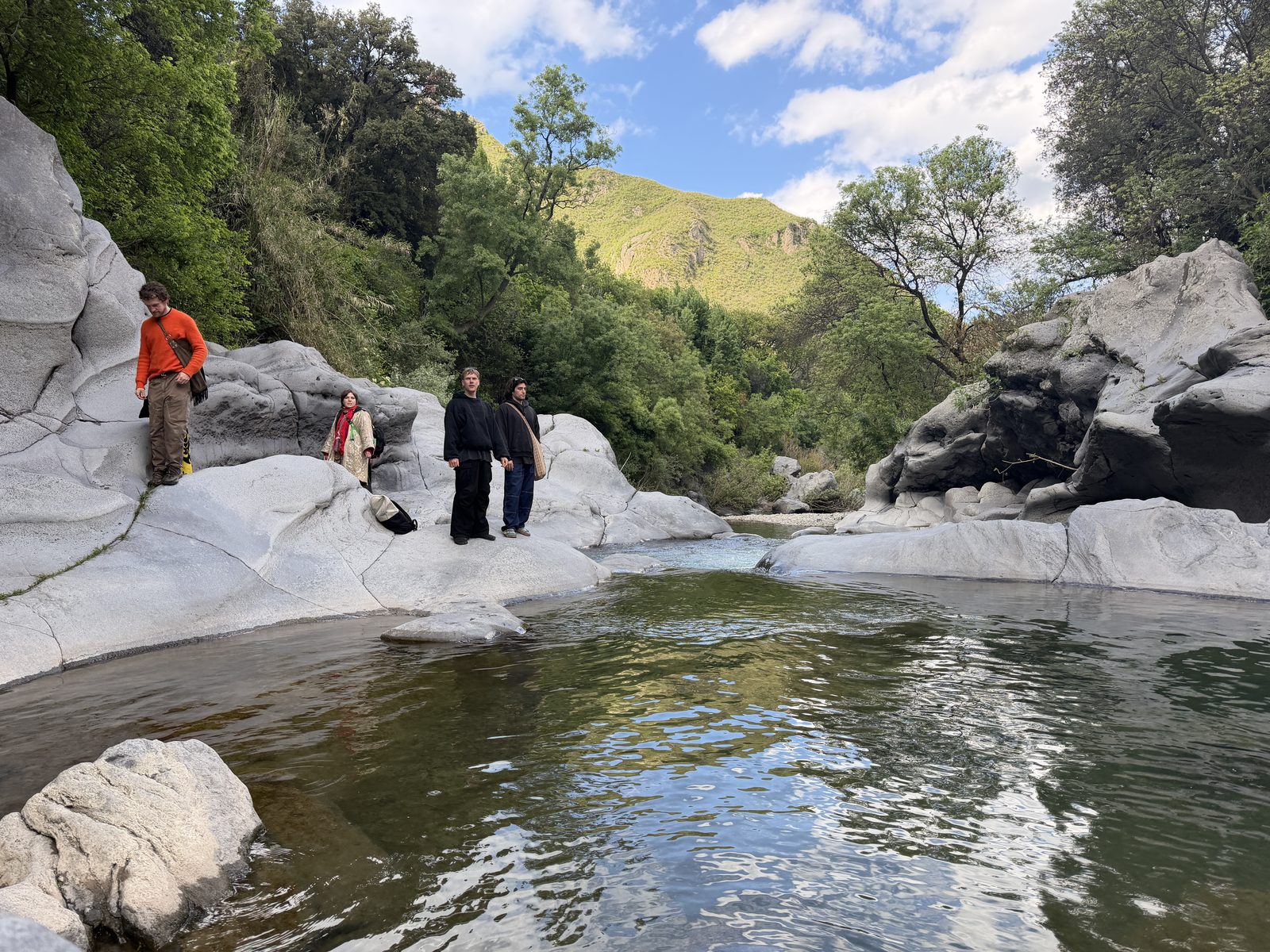
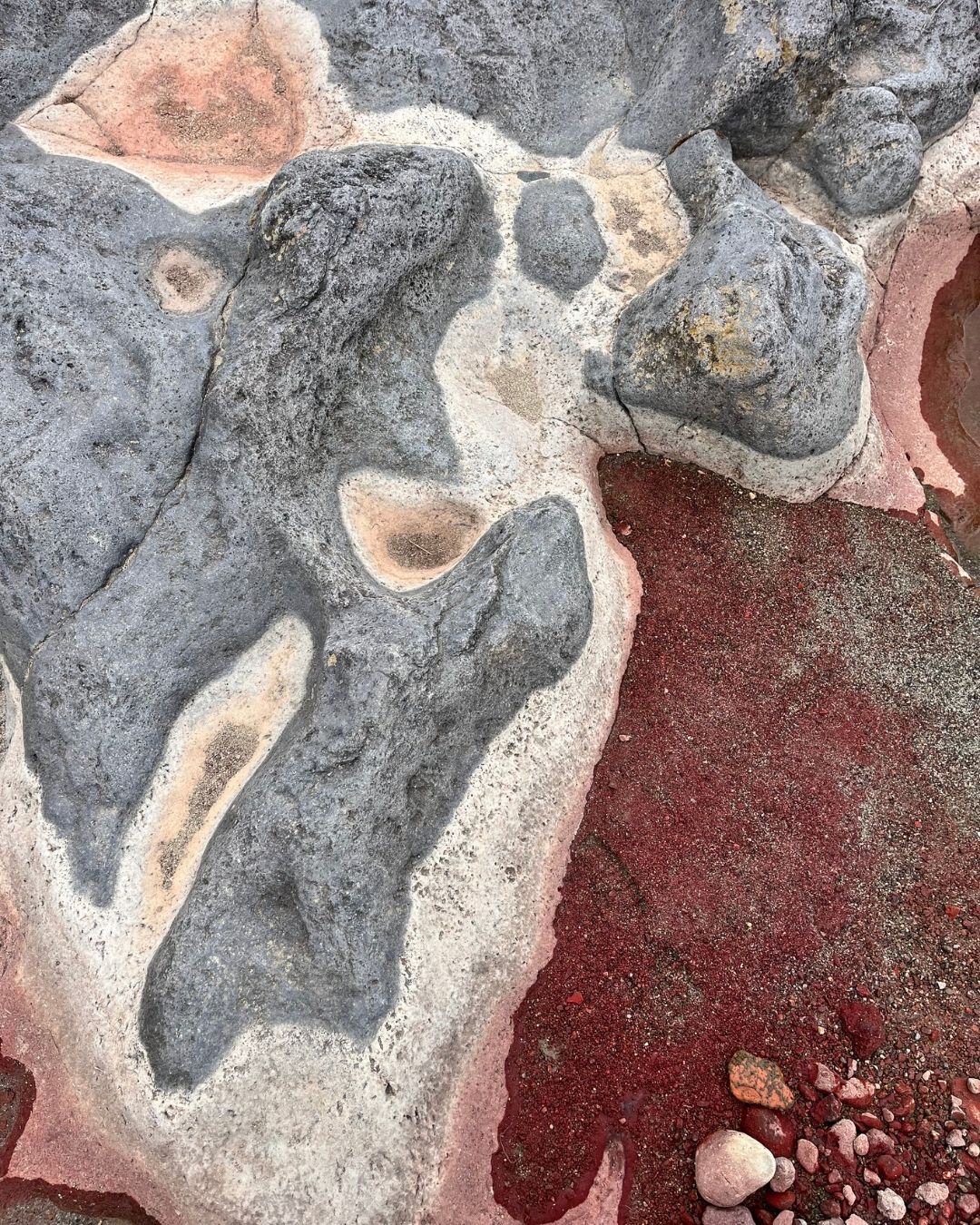
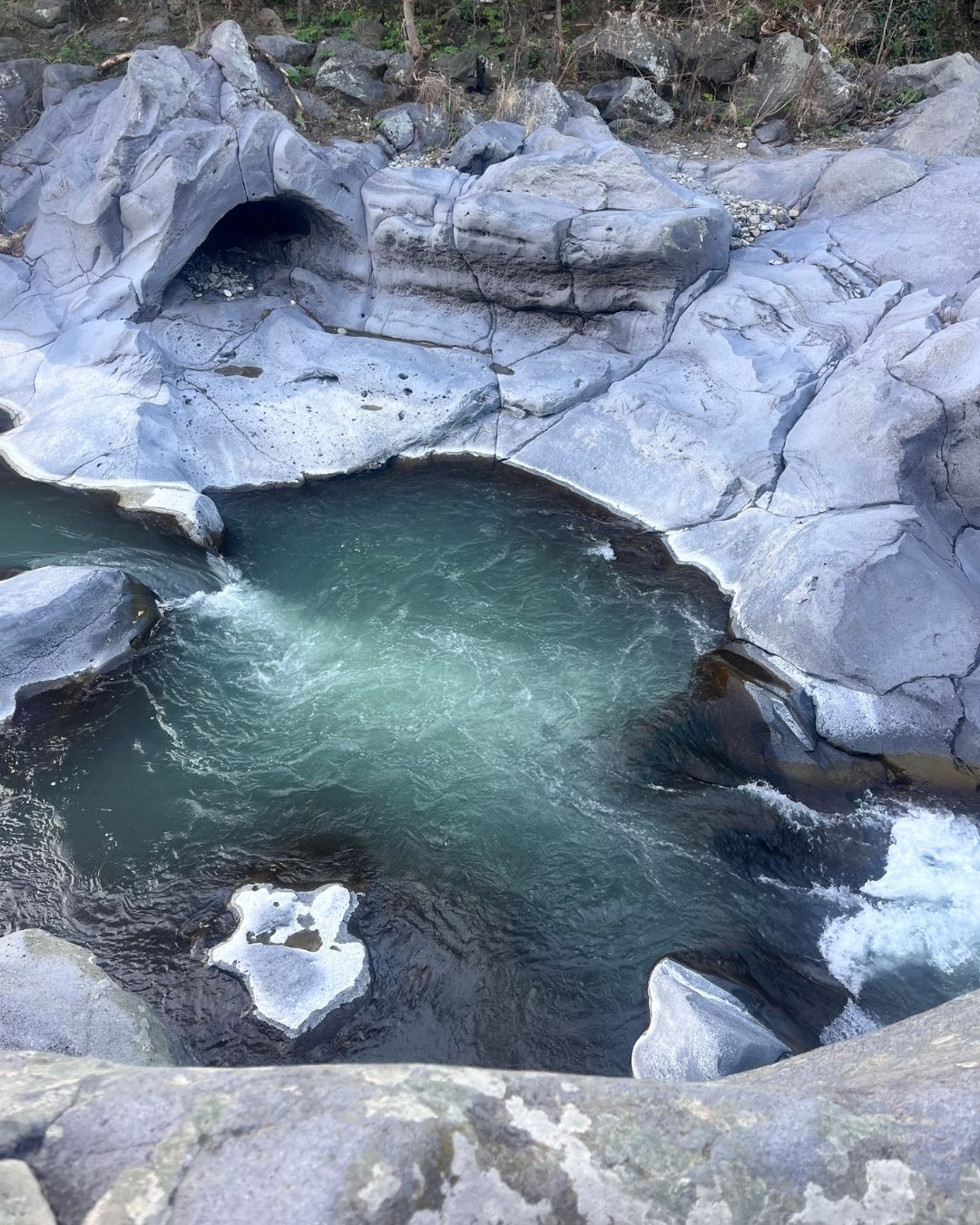
The Alcantara River is older than language. It is the heart of its bioregion, which is a living system of volcanic soil, ancient lava fields, wild herbs, and basalt gorges stretching from the slopes of Etna to the Ionian Sea. For millennia it has been flowing through this land, shaping it, holding the memory of fire and water in its walls. And we are not separate from it. As Astrida Neimanis reminds us: we are all bodies of water. The water moving through our cells has passed through rivers like this one more times than memory can hold.
The Alcantara Summer School is LIOS’s first programme rooted in this bioregion. It’s our attempt to understand it not through study but through encounter: through the body, the senses, and eventually through art.
What does it mean to listen to a river with your whole body? What can it teach that accumulated knowledge cannot? And what happens when that listening finds form?
The first masterclass, River School [9–19 July], follows David Abram’s proposition that the eyes, skin, tongue, ears, and nostrils are gates where the body receives the nourishment of otherness — six laboratories, six senses, a cumulative process of attuning the body until it is creating from direct, present encounter with the living world. The second, River Theatre [23 July — 2 August], takes what the first made possible: the giving of form to perception. Rooted in improvisation in music and movement, participants work through four interconnected laboratories: Sound, Body, Matter, and Community, toward a collective theatre show. What the body learned from the river, the art gives form.
The two rounds share faculty, methodology, and setting. Participants may attend one or both.
Our camp is situated along the river. It consists of natural canvas tepees, an outside kitchen, and shaded workshop spaces set among oaks and citrus trees. Participants wake to the sound of water moving over basalt, share meals on the bank, and return each evening to the same current that held the day’s research.
River School is a ten-day masterclass in sensuous attunement. Together we move through a structured process of returning the body to its primary capacity: the ability to receive the world before interpreting it.
Each day opens one sense. Each sense becomes a portal into the landscape, into ecological storytelling, into a form of knowing that precedes language. Across ten days, participants build a shared sensory map of the Alcantara river: a living document woven from direct encounter, somatic practice, field research, and collective ritual by the water.
Guided by the riverside spirits and supported by Planeta, we explore the internal alchemy of smell and emotions.
Facilitated by Eugenia Planeta
Through bodywork we explore touch as a technology of trust and interspecies awareness. The skin as the oldest perceptual organ — the boundary between self and world that is, in truth, no boundary at all.
Facilitated by Laraja
We listen to the river with hydrophones and map the acoustic landscape of the gorge at dawn. Drawing from Pauline Oliveros’s practice of Deep Listening, we learn to hear the ecosystem as score, and from it, compose.
Facilitated by Sam Pama
Foraging along the riverbanks, collaborating with local farmers, learning the culinary traditions of the Alcantara Valley. Eating together as a research practice. Taste as a portal into the deep history of a place — the most intimate form of ecological relation.
Facilitator TBC
A walk from the river toward the volcano: a day-long perceptual journey through altered and expanded ways of seeing.
Facilitated by Jo Vávra & Jagna Nawrocka
Morning and evening calming nervous system practices by the basalt gorges anchor the ten days: breathwork, movement, collective voice, meditation. This laboratory belongs to everyone and runs throughout.
The camp remains along the river. The gorge becomes the rehearsal space, its basalt walls the set, its acoustics the score, its water the primary dramaturge. What River School opened in the body, River Theatre brings into form.
The foundation of this masterclass is the art of improvisation: in music, in movement, in collective making. Improvisation not as spontaneity without discipline, but as the most rigorous form of presence: the capacity to respond to what is actually happening, in the body and in the space, rather than to what was planned. This capacity requires a nervous system at rest, a body that is genuinely available, a mind that has learned to follow rather than lead. River School prepares this ground. River Theatre activates it.
The methodological lineage draws from paratheatrical tradition, Ana Vujanović’s Landscape Dramaturgy, Joanna Macy and John Seed’s Council of All Beings, and Philippine Hoegen’s Thinking Through Performing.
That art, at its most alive, does not express what the artist already knows. It gives form to what the body has received.
The 10-day residency culminates in a collective public performance at RARA Festival of Improvised Music and Art.
Drawing from Pauline Oliveros’s Deep Listening practice and the acoustic research begun in Round I, participants work with hydrophone recordings, field sounds, voice, and instrument to develop original compositions sourced directly from the sonic world of the Alcantara gorge.
Led by Sam Pama
Through improvisation in movement, somatic practice, and site-specific choreography, participants develop a physical language for the collective show — one that emerges from the body’s accumulated experience of the gorge. The gorge is the studio. The river’s movement is the first choreographer.
Led by Jagna Nawrocka & Franca Pet
Drawing from ritual folk tradition and the animist impulse to give voice to the more-than-human world, participants craft handmade puppets and costumes from biodegradable and locally sourced materials. The puppet, like the mask, allows the performer to step aside from their human identity and let another being speak through them.
Led by Eugenia Planeta & Ines Panizzi
Each participant contributes a fragment and the script assembles itself from shared observation, somatic memory, and the stories the landscape carries. Following Sophie Strand’s proposition that a hero is not an individual but a reproductive event, the authorship of the final performance belongs not to any single voice but to the ecosystem of people, place, and river that made it possible.
Led by Jo Vávra
River School welcomes artists, researchers, ecologists, writers, somatic practitioners, healers, and curious humans. River Theatre is particularly suited to performers, actors, dancers, musicians, and theatre practitioners. Both rounds are open to anyone whose practice involves paying close attention to the world. No specific discipline required, only the willingness to let a river teach.
Each round runs for ten days, hosting fifteen participants in a shared camp along the river. Days move between facilitated laboratories, field excursions into the gorge, collective meals, and evening rituals by the water. River Theatre culminates in a public performance at RARA Festival of Improvised Music and Art.
Jo Vávra is a cultural ecologist, curator, and researcher whose work bridges environmental humanities and contemporary art. Her approach integrates ecological theory, artistic practice, and resilience technologies, emphasizing relationships between culture, landscape, and material sustainability. Her practice explores ritual as relational technology, informed by animist perspectives, Indigenous knowledge systems, deep ecology and mysticism. She is a community weaver, activist and storyteller working for bioregional innovation on the island of Sicily.
Jagna Nawrocka is a choreographer, performer, and visual artist. Engaged in activism for LGBTQIA+ communities in Poland and perseverance of life in dying ecosystems, they organize participatory performances and movements dissolving borders between play and critical analysis. They craft choreographies of coexistence to re-member relations with weirdness and wildness. Their artistic research explores choreographic scores as archives of unseen. Working with physicality of body and voice, a presence of a camera, somatic poetry, and textile art, they chase gestures and symbols that hold a healing power.
Laraja (Lara Ansell) is a multidisciplinary artist and bodyworker alchemising ritual performance and shadow capturing techniques through earthy-rooted technologies. This research explores ruptured realms through somatic experiencing to (re)activate beyond human transmissions and forces.
Sam Pama (Samuel Salvatore Amenta) is a contemporary composer and pianist working at the intersection of sound, memory, and poetic form. His practice unfolds through piano writing and electronic compositional work that blends lyrical sensitivity with a strong sense of structure and atmosphere. Rooted in a refined yet fluid musical language, his work moves between intimacy and expansiveness, shaping sonic spaces that inspire healing and harmony.
Planeta Eugenia is a nomadic, spiritual artist of Ukrainian descent whose practice is rooted in a symbiotic vision of the world. She is the founder of Atelier Planeta, a project that brings together sustainable fashion, visual art, and performance. Guided by a deep search for spiritual knowledge, she was initiated into the Hindu Sanatan Dharma tradition. Through visual art, she expresses her devotion to nature and explores the connection between the material and the sacred.
Shanhuān Manton is an ecological artist exploring methods of collective storytelling to realize worlds of mutual flourishing. Through experimental facilitation, narrative alchemy, and cinematic ritual, they bring beings of all species into meaningful collaborations. Their work includes co-founding the Centre for Applied Ecological Remediation and co-stewarding LIOS Labs School of Ecological Imagination. You will often find them gathering people in contemplative conversation around a roaming gongfu tea service, a practice cultivated for more than a decade.
Franca Petroni is an artist and performer based between Milan and Southern Italy. Her work focuses on the body as a political space, developing at the intersection of dance, movement research, and presence. Her pieces unfold within site-specific contexts where the body actively engages in dialogue with the landscape and its elements. Her practice emerges in a liminal space where the boundaries between the individual and the collective are constantly questioned, placing the body at the center of an ongoing renegotiation involving public and private spheres, individuality and collectivity, and the relationships between human and non-human elements within the landscape.
Inès Panizzi is a French artist working between contemporary art, craft, and folk practices. Using materials drawn from the land such as wool, straw, sand, she creates tactile installations and objects shaped by processes of gathering, weaving, and assembling. Her work unfolds as sensuous, material-based compositions where forms appear fragile yet grounded, holding traces of time, gesture, and environment. Rooted in a sensitive, hands-on approach, her practice invites a slowed, attentive way of seeing and sensing.
| Contribution | 900–1000 € per round, sliding scale |
| Spots | 15 per round |
| Includes | 10-day programme, riverside camp, shared meals by a resident chef, all facilitated workshops and materials |
| Location | Alcantara River, Castiglione di Sicilia, Sicily, IT |
| Language | English & Italian |
To apply, tell us about your practice, what draws you to the Alcantara, and which round you are joining. We review applications as they arrive and respond individually. An official invitation letter can be provided for those seeking external funding.
Participants are selected based on motivation, openness, and resonance with the programme. We welcome applications from all backgrounds.